Why should you listen to me?
Most writing books are written by very successful, famous, or highly educated people. I have read over 100 of them; some good, some a waste of paper. I say that because sometimes the insights from these people are hindsight, which is very selective. Often, they provide a formula-like concept that others can follow to have similar success. Others offer nothing but generalities, banal advice, or samples of others’ brilliance, which doesn’t help you actually write your book. The ones I dislike the most are those that provide samples of other authors’ work and then provide exercises for you to complete before moving to the next chapter, often in genres you would never consider writing in. I’ve always felt this was a way to fill pages, expand the size of the book, without adding any real usable content. Those exercises are not moving your book any farther forward. At best, picking and choosing from these books is the best route. No one writer is 100% correct, and the only way to find out what will help and what won’t is by trial and error, picking and choosing.
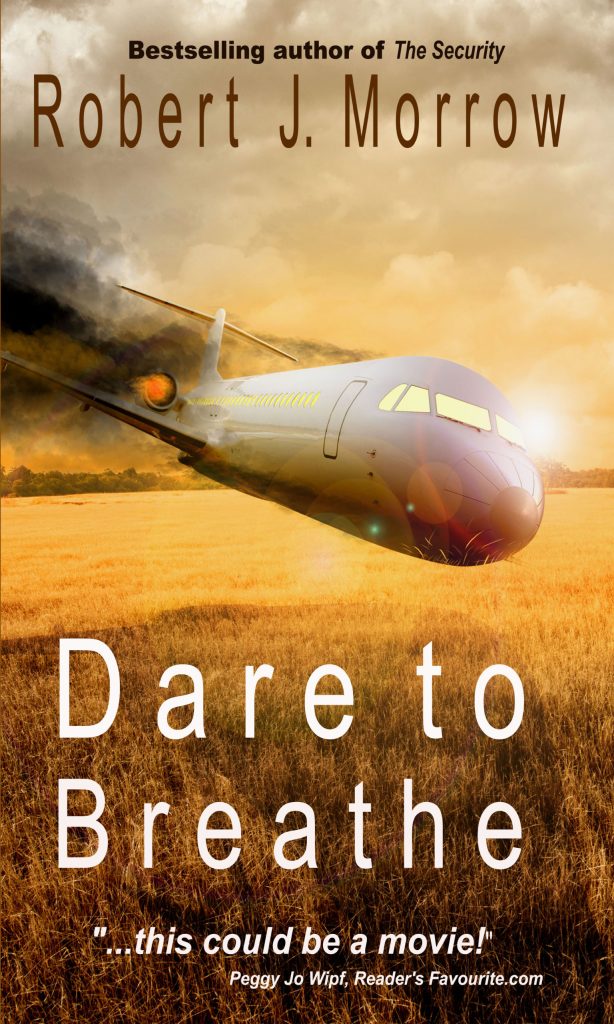
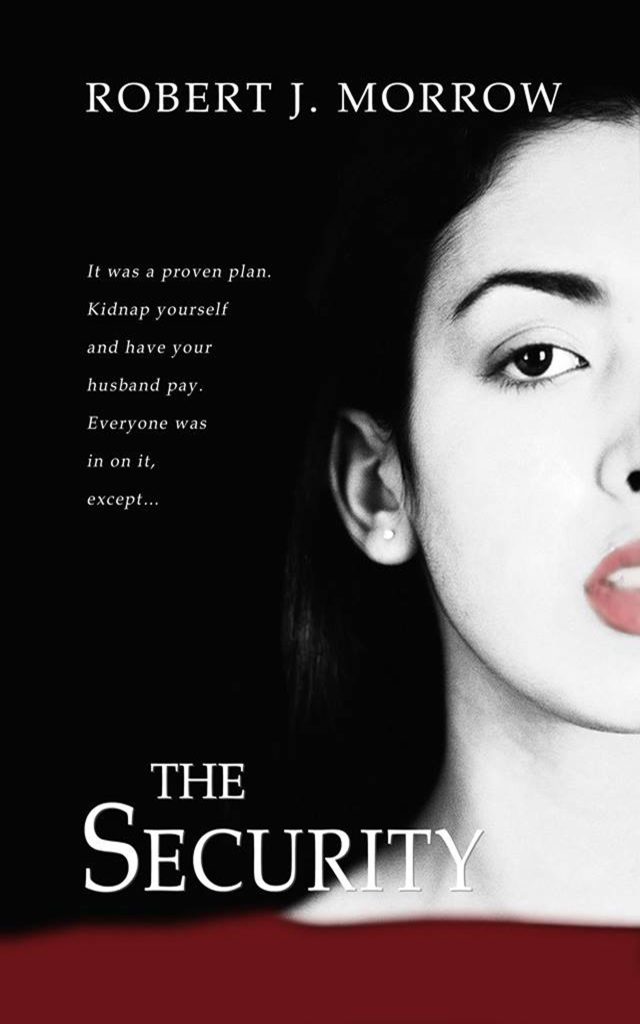
I wanted to write this series amidst the journey, offering advice while taking it myself. I’m not a trained book editor (though I have been a newspaper editor), nor a traditionally published author (though I tried that route twice). I am, however, the author of nine non-fiction books, seven romance novellas, and four psychological thrillers (five of which were bestsellers). All are self-published by my own publishing company, and I have a decent readership following.
My approach isn’t for everyone, but it works for me. Lately, I publish two books a year (one fiction, one non-fiction) and spend about four hours a day writing. That last bit may surprise some of you since writers such as Steven King and Joseph Finder talk about waking up at the crack of dawn and writing for several hours before lunch. Many go back for another four hours or so. Some, in Hemingway fashion, goof off for the rest of the day. Personally, I couldn’t do any one thing for eight hours (which is why I’ve always been a terrible employee), and with today’s technology, it shouldn’t be necessary.
I have developed a habit of doing other things in the mornings (I don’t get up till 8:30am). I read non-fiction after breakfast, then head out to play pickleball around lunchtime (three times a week), return home for a hot tub/shower, and finally sit at my computer around 2pm. I write until 6pm, then go to the kitchen to cook dinner for my wife and me. (I can’t go overtime because she doesn’t cook. LOL)
That’s 3-4 hours of intense writing, resulting in approximately 1600 words per day. I do that every day, including weekends. Any research I need is done either in the early afternoons (on off pickleball days) or in the evening when I can tear myself away from the latest thriller series on Netflix. Once in a while, especially at the beginning, I may binge write for a couple of days but it doesn’t last long, no matter how much I love the story. It’s just too hard to maintain!
I am retired from my “real” job, so I have the luxury of keeping this schedule. If you can’t quit work, or have other duties that take up your day, then I suggest you find just one full hour a day somewhere to write. Develop a habit of at least 500 words per day. It doesn’t matter when (and it doesn’t have to be before the sun comes up or after everyone’s in bed), but that’s enough to develop the habit required to get the thing finished.
Some writing coaches suggest writing five minutes here, five minutes there, whatever it takes to get the words in. If that works for you, great. Use the Word app on your phone, speak into a recorder, jot things down on napkins, whatever. But most of the writers I know can’t write anything decent (even a terrible first draft) if the flow is constantly interrupted.
I have been writing all my life. As a child, I used to collect all the birthday, Christmas, anniversary cards, staple blank pages inside, and write stories about the scene depicted on the cover. My first career writing job was as a corporate writer for a major retailer. After that I went to the country’s largest coffee chain as corporate editor, where 90% of my job was communicating with franchisees. I then began my own company, producing corporate newsletters for some of the country’s industry leaders. That led to being head-hunted by a community newspaper as a special sections editor.
I discovered that when writing all day, the last thing I wanted to do when I got home was write some more. That’s why my first book wasn’t published until I much later in life. In the eleven years since that first book, I have published eighteen more.
Along the way, I have learned how to self-edit (and why that’s not enough); how to create professional covers; how to format for print, ebook, and audiobook; and how to publish on several sites. I also do book launches where I sell 30-50 paperbacks in one night, while simultaneously taking the eBook version to #1 in a specific Kindle category.
Most successful self-publishers will tell you that marketing your book is just as important as writing it. They’re right. (We deal with it all in Catapulting Chaos, the third book in this series).
But we’re not worried about that yet. First, we have to write the book.